Legal Grounds to Request an Adjournment of a Civil Court Hearing

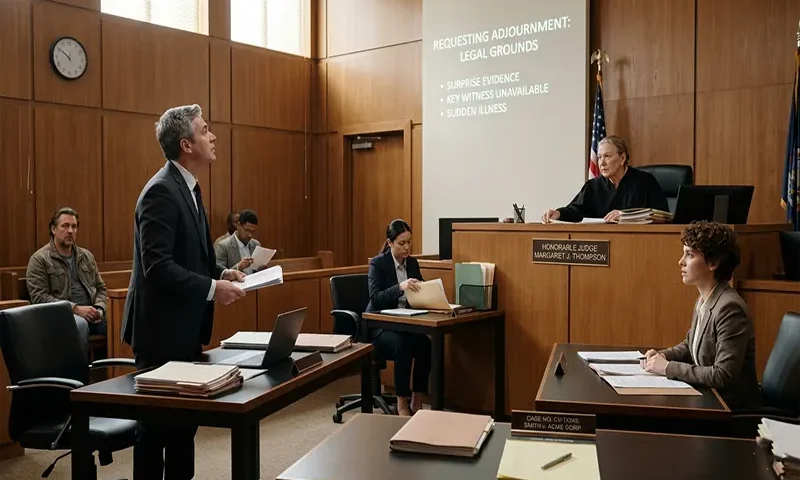
In the legal world, the phrase “justice delayed is justice denied” is more than a cliché; it is the guiding principle of the judiciary. Judges are tasked with moving cases through the system efficiently, which means they generally view requests for adjournment—formally known as a “motion for continuance”—with significant skepticism. However, life is unpredictable, and legal systems recognize that there are instances where a hearing cannot proceed as scheduled.

If you find yourself needing to request an adjournment for a civil court hearing, it is vital to understand that this is a privilege granted by the court, not a right. Success depends entirely on your ability to demonstrate “good cause.”

Valid Legal Grounds for Adjournment

A request for an adjournment must be rooted in circumstances that are beyond your control and that prevent you from effectively participating in the hearing. Common grounds accepted by courts include:

  • Medical Emergencies: A sudden,
Read the rest >>>
Steps to Preserve Dashcam and Event Data Recorder Evidence After an Accident

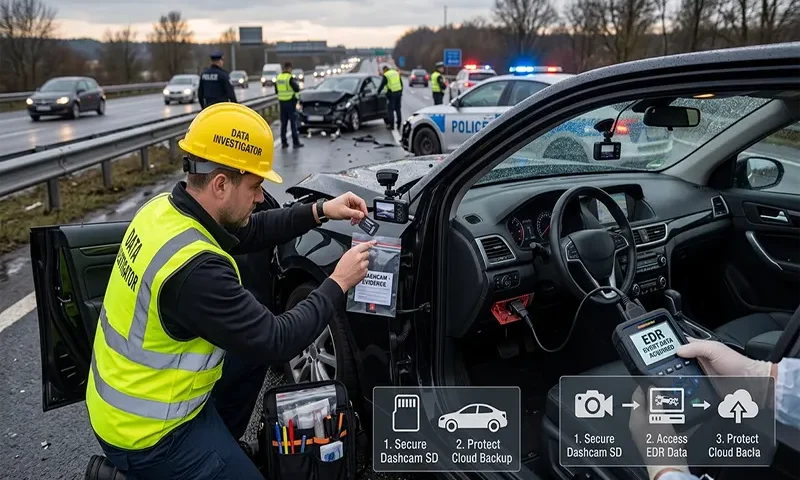
In the modern era of automotive technology, your vehicle is a silent witness that records the seconds leading up to and following a collision. Digital evidence, specifically from dashcams and Event Data Recorders (EDRs), is arguably the most objective account of an accident. However, unlike physical debris at a scene, digital data is incredibly perishable. If you do not act with precision in the minutes following an accident, that evidence can be permanently lost or overwritten.

Understanding the Difference: Dashcams vs. EDRs

To protect your evidence, you must first understand the distinction between your two main sources of data:

  • The Dashcam: A consumer-grade device—usually mounted to the windshield—that records audio, video, and sometimes GPS data. Most dashcams operate on a “loop recording” cycle. Once the memory card reaches capacity, the device automatically begins overwriting the oldest footage with new data.
  • The Event Data Recorder (EDR): Often referred to as a
Read the rest >>>
How to Prepare Written Evidence for a Small Claims Civil Hearing

Walking into a small claims courtroom can be an intimidating experience, but it is also one of the few legal arenas where you don’t need a law degree to succeed. In small claims court, the judge’s decision is rarely based on dramatic oratory; it is based on the weight of the evidence. Written evidence acts as the backbone of your case, providing the objective facts that support your version of the story. If you want to win, you must transition from “telling” your story to “showing” your story through organized, clear, and admissible evidence.

The Three Pillars of Written Evidence

Before you begin organizing your documents, you must categorize them. Most small claims cases rely on three types of written proof:

  1. Documentary Evidence: These are the foundational records of the transaction or dispute. This includes signed contracts, written agreements, purchase receipts, invoices, billing statements, and bank records.
  2. Correspondence: Emails, text
Read the rest >>>
How to Prove Commercial Delivery Truck Driver Liability in a Crash

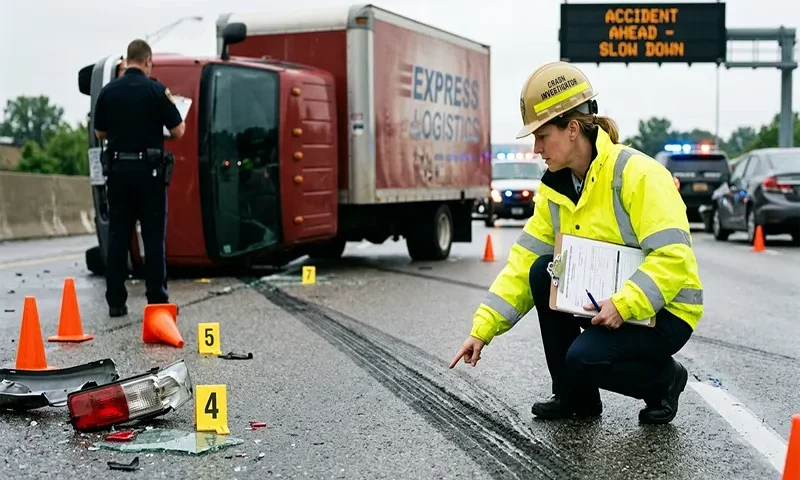
Commercial delivery vehicles—from heavy semi-trucks to the growing fleet of “last-mile” delivery vans—are ubiquitous in our modern economy. However, their presence on public roads introduces significant risks. When a collision occurs, the process of proving liability is vastly different from a typical passenger car accident. Because these drivers are acting as agents for a business, and because commercial vehicles are governed by both state law and stringent federal regulations, establishing fault requires a methodical, evidence-based approach.

The Investigative Foundation: Why Data Matters

Unlike a standard fender-bender, a commercial crash requires an immediate and aggressive investigative response. In the world of trucking litigation, evidence is fragile and often controlled entirely by the defendant.

Electronic Logging Devices (ELDs) & Telematics

Modern delivery vehicles are essentially mobile computers. Most are equipped with “black boxes” or Electronic Logging Devices (ELDs) that record precise data points in the moments before, during, and after an impact. … Read the rest >>>

How a Car Accident Attorney Near Me Identifies Coverage Issues

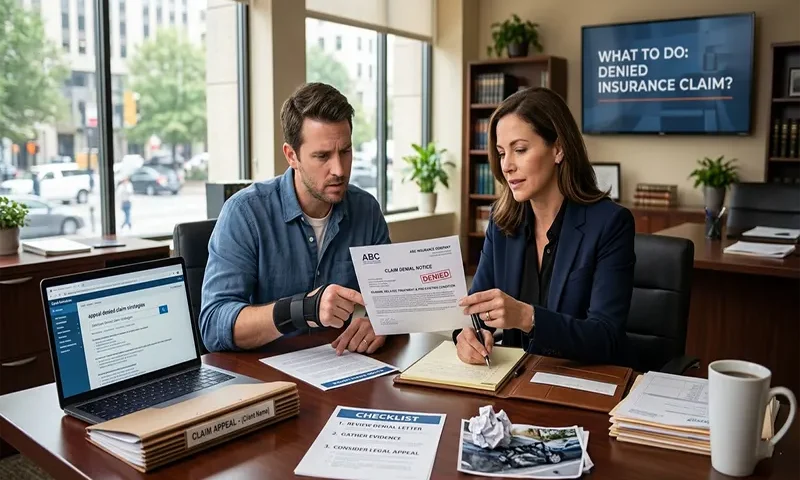
After a crash, insurance paperwork often feels more confusing than the accident itself. Policy language, overlapping coverage, and conflicting statements can hide benefits people do not realize they have. This is where a car accident attorney near me focuses attention—carefully examining coverage details to uncover what truly applies and what may be missing.

What Types of Insurance Coverage Apply After a Car Crash

Several layers of insurance may come into play after a collision. Beyond the at-fault driver’s liability policy, there may be coverage through the injured person’s own auto policy, household policies, or even employer-related plans. A car accident attorney near me starts by identifying every policy connected to the vehicles, drivers, and passengers involved.

This review also accounts for how coverage stacks or overlaps. Some policies apply only in certain situations, while others extend protection regardless of fault. Auto accident lawyers near me understand how these layers interact … Read the rest >>>