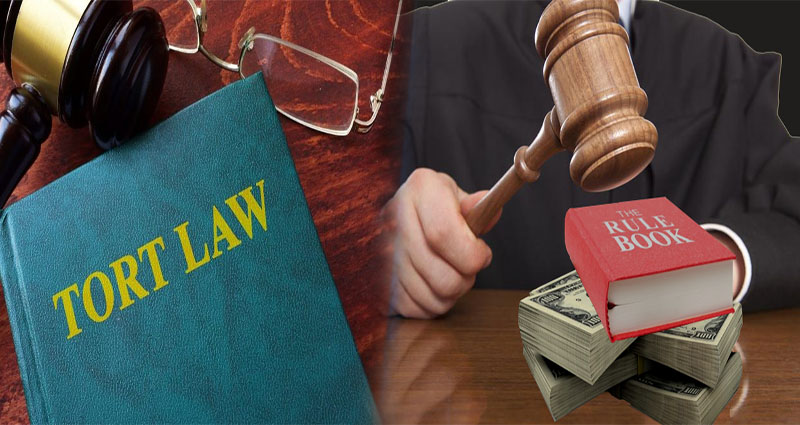

Proving Child Negligence in a Daycare: Legal Requirements in Malang, East Java

For parents in Malang, East Java, entrusting their child to a daycare facility is a decision made with the expectation of safety and proper care. Unfortunately, incidents of child negligence can occur, leaving parents concerned and seeking justice. Understanding the legal requirements for proving child negligence in a daycare setting in Indonesia, particularly within the jurisdiction of Malang, is crucial for those navigating such difficult circumstances.

What Constitutes Child Negligence in a Daycare?

In essence, child negligence occurs when a daycare facility, or its employees, fail to exercise the reasonable standard of care that a prudent person would under similar circumstances, resulting in harm to a child. This standard is typically higher for those entrusted with the care of vulnerable children.

Here are common examples of negligence:

 Inadequate Supervision: Leaving children unattended, failing to monitor them during activities, or having too few staff members for the number of children.

 Unsafe … Read the rest >>>

Analyzing Legal Precedents and Implications for Parental Duty of Care

Parental duty of care is a fundamental legal concept that places a responsibility on parents to ensure the safety, well-being, and development of their children. It is a critical aspect of family law and plays a significant role in shaping legal decisions regarding child custody, negligence, and other parental responsibilities. Analyzing legal precedents and understanding their implications can provide valuable insights into the evolution and interpretation of this crucial duty.

Understanding Parental Duty of Care

Parental duty of care refers to the legal obligation of parents to provide necessary care, protection, and supervision for the benefit of their children. It encompasses various aspects, including ensuring the child’s physical safety, emotional well-being, education, and moral development. This duty is generally expected to be exercised with reasonable care and prudence, considering the circumstances and the child’s best interests.

Analyzing Legal Precedents

Legal precedents play a vital role in shaping the understanding and … Read the rest >>>

Landmark Child Negligence Cases in Legal Responsibility and Accountability

Negligence cases involving children are complex and often emotionally charged, requiring a balance between the legal responsibilities of parents and the accountability of institutions and individuals who interact with children. Landmark cases pertaining to child negligence have set the precedent for defining legal responsibility and accountability in cases involving children. Here, we examine some of the landmark cases that have shaped legal precedent in child negligence cases.

1. Tedla v. Ellman (1948):

In this case, a child was injured as a result of a driver’s negligence in a car accident. The court ruled that parents had a duty to protect their child from harm and that they were responsible for any injuries or damages that occurred as a result of their children’s actions or inactions.

2. Molien v. Kaiser Foundation Hospitals (1980):

This case involved a woman who was misdiagnosed with syphilis, resulting in her husband leaving her and her … Read the rest >>>

The Most Common Types of Product Liability Claims

Product liability claims can arise for several reasons. One of the most common is a manufacturing defect when a product is not manufactured as intended. This can be intentional (the manufacturer scrimped on quality or cut corners to save money) or accidental. A manufacturing defect claim may not be appropriate for every product, but it is often appropriate for certain situations. 

Manufacturing Defects

A manufacturing defect is a defect that occurs during the manufacturing process. This can make a product dangerous. This defect can occur in various products, including automobiles, medical products, and consumer products. Manufacturing defects can be anything from a missing component in a seatbelt to a manufacturing error that led to a contaminated product.

The most common types of product liability claims in Connecticut involve defective manufacturing. This is the most common category of product liability claims because it means that a product had a flaw during … Read the rest >>>

What is a Custody-sharing Agreement?

How does shared parenting work?

Parents frequently use the term “custody” despite the fact that it is not now accepted by legal authorities. Lawyers, judges, and mediators increasingly use the term “care” instead of “custody,” resulting in terminology such as “shared care” to describe circumstances that were before referred to as “shared custody.” However, what does it mean? There are diverse perspectives on what shared care entails and how it should be structured.

Traditionally, child arrangements agreements or court decisions centred on the notion that one parent had custody, indicating that they are the primary caretaker and the kid(ren) primarily reside with that parent. Then, the other parent would get “visitation,” which would allow them to see their children on set days and hours.

Following separation, it is generally accepted that it is in the best interests of children to spend time with both parents. This is possible because shared … Read the rest >>>